
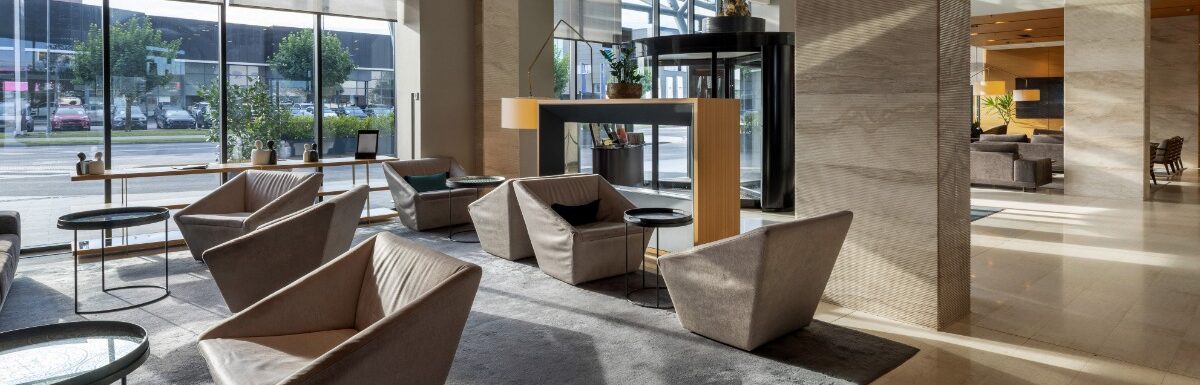
Customers form opinions about businesses long before they speak with an employee or purchase a product. The appearance of a lobby, showroom, or office can influence those opinions within moments. Clean floors, organized entryways, and well-maintained surroundings communicate professionalism without requiring a single word. That’s why first impressions in your commercial space deserve the same attention as your marketing and customer service strategies.
Business owners often invest heavily in branding while overlooking the physical environments that represent their companies. Yet customers notice stained carpets, dull flooring, and neglected corners. These details can undermine an otherwise positive experience and create unnecessary doubts about operational standards.
Understand What Your Space Communicates
Every commercial environment sends signals about the organization behind it. A spotless reception area suggests attention to detail, while neglected flooring may raise questions about overall management.
Customers rarely evaluate these impressions consciously. Instead, they absorb environmental details while deciding whether a business feels trustworthy and professional.
Consider a prospective client entering two accounting firms. Both offer comparable services, but one maintains a bright, orderly reception area while the other has visibly worn flooring and cluttered walkways. The first office may create a stronger initial impression before either firm explains its qualifications.
Treat Floor Maintenance as a Business Investment
Commercial floors experience constant wear from foot traffic, equipment movement, and everyday operations. Without consistent maintenance, even durable flooring materials can lose their appearance prematurely.
A proactive approach helps businesses maintain attractive surroundings while managing long-term expenses. Instead of waiting for visible damage, facility managers can establish routines that address wear before it becomes severe.
For companies managing extensive properties, preventive floor care strategies for large facilities can provide a practical foundation for consistent upkeep. These strategies typically emphasize appropriate cleaning frequencies, suitable equipment, and maintenance procedures that match each flooring material.
Regular care can also help businesses avoid unnecessary restoration expenses. Removing abrasive dirt before it damages a floor finish often costs less than addressing extensive wear later.
Focus on the Areas Customers Notice First
Not every part of a commercial property receives equal attention. Entryways, reception areas, and main corridors often influence visitors’ earliest impressions.
These locations also experience substantial foot traffic, which makes them especially vulnerable to dirt and visible wear.
Start by evaluating the condition of entrance flooring. Outdoor debris frequently enters buildings on shoes, particularly during rainy or snowy weather. Proper entrance matting can capture some of that debris before it reaches interior surfaces.
Reception areas deserve similar attention because visitors may spend several minutes observing their surroundings. Scuffed floors or stained carpeting can become particularly noticeable while customers wait.
Build a Cleaning Schedule Around Actual Traffic
Many businesses follow cleaning schedules that don’t reflect how people use their facilities. A hallway that handles hundreds of visitors daily needs different attention than a rarely occupied conference room.
Start by identifying traffic patterns throughout the property. Observe when customers arrive, where employees gather, and which areas experience the most movement.
Then establish cleaning frequencies according to those conditions.
A practical schedule might include:
- Daily removal of loose dirt from busy entrances and corridors
- Prompt attention to spills and tracked-in moisture
- Routine inspection of flooring near customer service areas
- Periodic deep cleaning according to material and traffic levels
- Scheduled evaluation of protective finishes and visible wear
Choose Cleaning Methods That Protect Your Flooring
Different flooring materials require different maintenance approaches. Using the wrong chemicals or equipment can damage finishes and create unnecessary replacement expenses.
Luxury vinyl flooring, for example, may require cleaning products that protect its factory-applied surface. Natural stone can react poorly to acidic cleaners, while certain wood floors need careful moisture management.
Before purchasing supplies, review the flooring manufacturer’s maintenance recommendations. These instructions can identify suitable cleaning solutions and appropriate equipment.
Moreover, equipment selection matters. A compact floor scrubber may work well in narrow corridors, while a larger machine could improve productivity in expansive warehouse aisles.
Make Safety Part of Your Maintenance Strategy
Clean floors contribute to a professional appearance, but safe walking surfaces matter even more. Wet flooring, loose mats, and accumulated debris can create avoidable hazards.
Business owners should establish procedures for addressing spills promptly. Employees need clear instructions for identifying hazards and communicating problems to the appropriate team members.
Cleaning activities also require careful scheduling. Washing a busy entrance during peak customer traffic can create unnecessary disruption and increase exposure to wet surfaces.
Use Facility Appearance To Strengthen Your Brand
Branding extends beyond logos and promotional materials. Customers experience a company’s identity through its physical environment.
A premium consulting firm might emphasize refined finishes and immaculate presentation. A growing fitness business may prioritize durable flooring that looks fresh despite heavy daily traffic.
Neither approach requires extravagant spending. The important consideration involves aligning the environment with the experience customers expect.
Measure Maintenance Performance Instead of Guessing
Growing businesses benefit from systems that make results easier to evaluate. Facility maintenance should follow the same principle.
Start by tracking recurring complaints, repair expenses, and cleaning supply usage. These details can reveal patterns that aren’t immediately obvious during routine inspections.
For example, frequent complaints about dirty entrance floors might indicate inadequate matting or an unrealistic cleaning schedule. Repeated damage in one corridor could suggest that equipment movement requires additional protective measures.
Plan for Growth Before Your Facility Becomes Overwhelmed
Business expansion can place unexpected pressure on commercial spaces. More employees, customers, and deliveries typically create additional demands on flooring and maintenance teams.
A cleaning schedule that worked for a small office may no longer support a larger operation. Likewise, equipment that once handled daily maintenance efficiently might become inadequate as usable floor space increases.
Review facility needs whenever your business adds departments or changes its operating hours. Estimate how additional traffic could affect cleaning frequency and labor requirements.
Turn a Better Environment Into a Competitive Advantage
Customers have countless opportunities to compare businesses, and small details can influence their preferences. A well-maintained commercial environment demonstrates that your organization values the customer’s experience.
Floor care represents only one part of this responsibility, but it provides a highly visible starting point. Consistent cleaning and timely maintenance can preserve the appearance of the space customers encounter.
Ultimately, making a strong first impression in your commercial space requires ongoing attention rather than occasional cosmetic improvements. Treat your facility as an extension of your brand, invest in preventive upkeep, and establish standards that support future growth. When customers enter a clean, welcoming environment, your business begins building confidence before the first conversation even starts.