
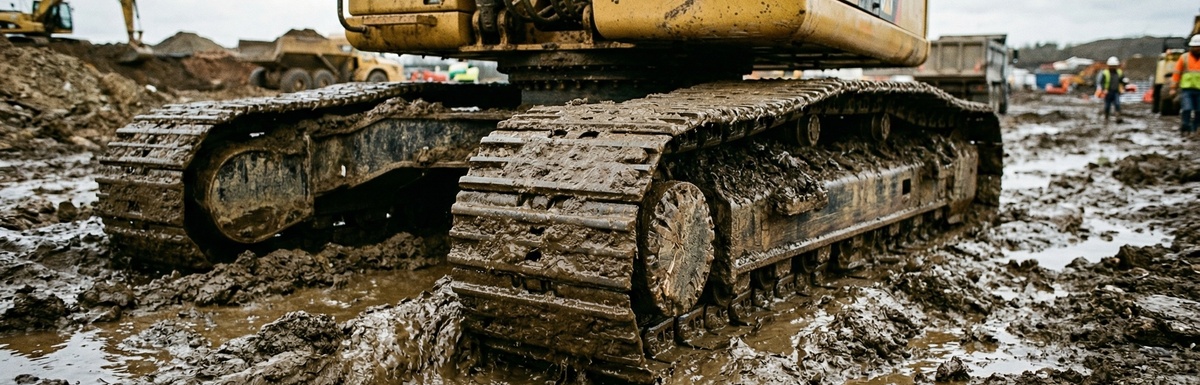
When a company is small, there’s usually more room to notice when a machine feels off. The owner may run the equipment personally, and a rough day on-site is easier to connect with the way that machine performs the next morning. As the business grows, that connection can get harder to track. Equipment moves between jobs faster, and minor wear starts to blend into the pace of normal work.
That’s when a dirty jobsite becomes more than a cleanup issue. It can quickly wear out an engine, shortening its lifespan long before anyone connects the repair bill to the conditions that caused it. Fortunately, we’re here to help make sure that doesn’t happen.
Dust Makes Engines Work Harder
Dry jobsites can push a lot of fine material into the air. Once that dust gets near the engine compartment, the air filter has to work harder to protect the intake system. If the filter gets overloaded, the engine may struggle to breathe efficiently.
That extra strain can lead to higher fuel use and weaker performance during long workdays. It can also shorten the life of parts that should last much longer. Checking filters may feel basic, but it’s one of the easiest ways to keep a dirty site from creating a bigger repair bill.
Mud Traps Heat Where It Doesn’t Belong
Mud may seem relatively harmless once it dries, but it can hold heat against the machine if teams aren’t careful. That’s because when buildup collects around cooling areas, the engine has a harder time staying at the right temperature. That issue can sneak up during busy weeks because the machine may keep running until the heat problem becomes serious.
A quick cleanup around key areas can prevent a lot of stress. This matters even more when crews run equipment hard across multiple jobs, since one overheating machine can throw off more than one schedule.
Debris Can Turn Small Issues Into Downtime
Dirty jobsites don’t just create grime that can wear out engines faster. They can hide sticks, packed soil, and loose material where operators may not notice them right away. Once debris settles near belts or moving parts, a small obstruction can cause a sudden breakdown.
This is where daily inspection habits pay off. A crew that knows how to maintain an excavator, especially in rough conditions, can spot buildup before it causes damage. That kind of routine helps equipment stay productive instead of waiting for a repair slot.
Poor Cleaning Habits Make Scaling Harder
As a business grows, equipment care has to become more consistent. One operator may notice a dirty radiator area without being asked, while another may assume the next person will handle it. That gap creates uneven maintenance, and uneven maintenance creates surprise costs.
A simple cleanup routine gives crews a shared standard. It doesn’t need to slow the day down or turn every machine into a showroom piece. It just needs to target the areas where dirt creates heat, blocks airflow, or hides early signs of trouble. When that routine becomes part of the job, engine failure won’t hinder a company’s growth any further.