
If you run a business, you already know how fast a small disruption can snowball. A generator issue can stall production, stress your team, and put deadlines at risk. When you call for an industrial generator repair, you want answers fast, but you also want the repair done right so you can get back to growth instead of putting out fires.
Here’s what you can expect during an industrial generator repair.
The Initial Call and Site Details
Most repair visits start with a quick intake. The service team will ask about the generator make and model, recent runtime, alarms or fault codes, fuel type, and what you noticed first. You’ll also talk through site access, safety requirements, and whether you need temporary power support during the repair.
If you can share maintenance logs or recent service notes, you’ll help the tech walk in with a sharper plan. Even a quick photo of the control panel message can save time.
On-Site Diagnostics and Root Cause Checks
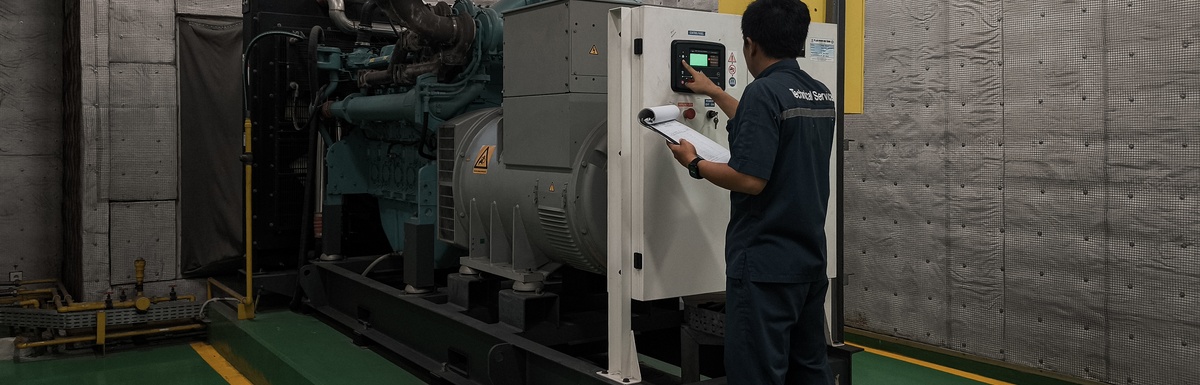
Once the technician arrives, diagnostics come first. Expect a visual inspection for obvious issues like leaks, worn hoses, loose connections, corroded terminals, or battery problems. The tech will also check fluids, belts, air filters, and the cooling system.
Next, the technician will dig into the electrical side. That step often includes checking the starter system, alternator output, voltage regulation, and control panel settings. For standby units, the tech will also inspect the transfer switch and confirm that communication between systems works the way it should.
Repair Plan, Parts, and Downtime
After diagnostics, you’ll get a clear explanation of what failed and what needs attention. Some fixes happen quickly, like replacing a battery, a sensor, or a clogged filter. Other repairs involve ordering parts, scheduling a return visit, or coordinating with your facility team.
A good provider will talk through downtime in plain terms. You should know what the business impact looks like, what options exist for temporary coverage, and how the team will sequence repairs to get you back online as soon as possible.
Testing Under Load
Repairs don’t end when the engine starts. The tech should test performance under load, because many issues hide until the generator works hard. Expect checks for stable voltage and frequency, proper temperature control, and clean exhaust output. The technician may run the unit through a load bank test or verify performance with your facility’s normal load, depending on your setup.
If the job involves the transfer switch, you may also see a simulated outage test to confirm the system transfers smoothly.
Paperwork, Recommendations, and Next Steps
Before the tech leaves, you should receive a service report that lists findings, repairs completed, parts used, and any follow-up needs. You’ll also get maintenance recommendations based on what the technician saw on-site.
If you want reliability that supports growth, don’t treat generator repair as a one-off emergency. Use the visit to find the right industrial generator service—one that communicates clearly, responds fast, and helps you plan maintenance that fits your operational goals.
Back to Business, With Less Risk
An industrial generator repair can feel stressful, but a solid process makes it manageable. You’ll see intake questions, diagnostics, a repair plan, and testing that proves the fix holds up under pressure. When you partner with the right service team, you protect uptime, reduce surprises, and keep your focus where it belongs—running the business and building what comes next.