
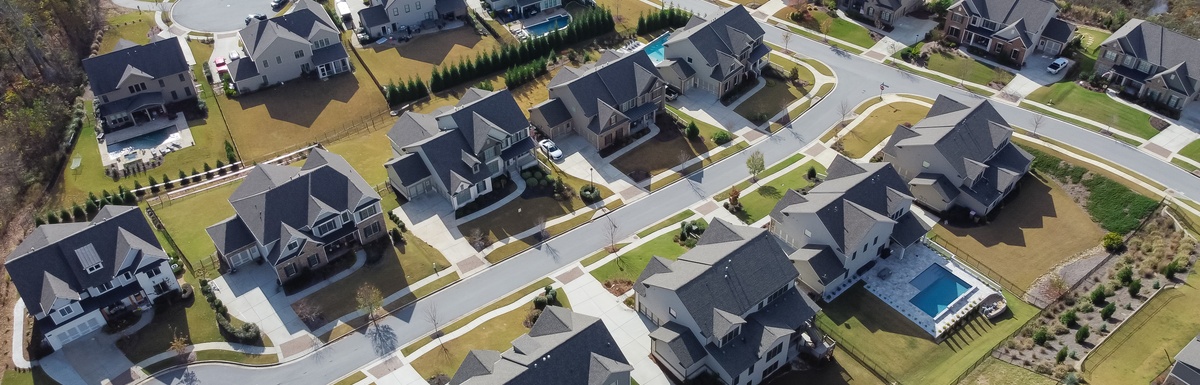
Homeowners associations play a critical role in shaping the experience of residents within a community. When managed effectively, an HOA fosters pride, protects property values, and creates a welcoming environment where neighbors feel heard and respected. Successful HOA management is not simply about enforcing rules; it is about building trust, maintaining transparency, and delivering consistent value to homeowners.
Clear and Consistent Communication
One of the most important pillars of successful HOA management to keep residents happy is communication. Residents want to feel informed about decisions that impact their homes and community spaces. Regular updates through newsletters, emails, community portals, or meetings ensure that homeowners are not left guessing about policy changes, maintenance schedules, or financial matters.
Open communication also creates a two-way dialogue. Encouraging feedback through surveys or town hall meetings gives residents an opportunity to voice concerns and offer suggestions. When homeowners feel heard, they are far more likely to support board decisions and participate positively in community life. Transparency builds confidence, and confidence builds satisfaction.
Fair and Consistent Rule Enforcement
Rules are necessary to maintain order and preserve property values, but how those rules are enforced can significantly affect resident morale. Successful HOA management requires consistency and fairness. Selective enforcement or unclear guidelines can quickly lead to frustration and distrust.
Clearly written governing documents, accessible to all residents, set expectations from the start. When violations occur, handling them professionally and respectfully is essential. The goal should always be compliance and resolution, not conflict. Approaching enforcement with professionalism helps maintain harmony while upholding community standards.
Proactive Maintenance and Upkeep
The appearance and functionality of shared spaces directly influence resident satisfaction. Well-maintained landscaping, clean amenities, and properly functioning infrastructure signal that the HOA is attentive and responsible. Regular street sweeping is also something HOAs must consider, as it provides many benefits beyond just making residents happy. Deferred maintenance, on the other hand, can lead to complaints and declining property values.
A proactive maintenance plan allows the board to anticipate repairs rather than react to emergencies. Regular inspections, preventive maintenance schedules, and adequate reserve funding ensure that community assets remain in excellent condition. When residents see consistent care and improvement, they feel confident in the value of their investment.
Financial Transparency and Responsibility
Financial management is often one of the most sensitive aspects of HOA operations. Homeowners want reassurance that their dues are being used wisely. Transparent budgeting, regular financial reporting, and clear explanations of expenditures help build trust between the board and residents.
A well-managed HOA maintains healthy reserve funds and plans carefully for future expenses. Avoiding sudden special assessments whenever possible demonstrates foresight and responsible stewardship. When financial decisions are clearly communicated and strategically planned, residents feel secure rather than surprised.
Community Engagement and Relationship Building
Beyond policies and maintenance, successful HOA management focuses on fostering a sense of community. Social events, volunteer opportunities, and neighborhood initiatives encourage residents to connect with one another. Strong relationships among neighbors reduce conflict and create a more positive living environment.
Even small gestures, such as welcoming new residents or recognizing community achievements, contribute to a culture of inclusivity. When residents feel like they belong, satisfaction naturally increases.
Successful HOA management is built on leadership that prioritizes fairness, transparency, and long-term planning. With the right systems and mindset in place, an HOA can do far more than enforce rules. It can cultivate a thriving community where residents feel valued, respected, and genuinely happy to call home.